
Reviewed by Zara Knight on January 21, 2026 at 03:35 PM. Recent reviews have assessed the security features and usability of several leading wallets for Ethereum storage.
Ethereum wallets are digital tools that allow users to store, send, and receive Ether and other Ethereum-based tokens. They operate on the Ethereum blockchain, providing a secure method for managing cryptocurrency. With multiple choices available, users can select wallets that best suit their needs based on security, convenience, and accessibility.
There are several types of Ethereum wallets, including hardware wallets, software wallets, mobile wallets, and web wallets. Hardware wallets are physical devices that store private keys offline, significantly reducing the risk of hacking. Software wallets are applications that can be installed on a computer or smartphone, providing easy access while maintaining a reasonable degree of security. Mobile wallets are designed specifically for smartphones, offering portability and convenience. Web wallets are accessible through any browser, allowing for quick access to funds, though they are often considered less secure.
Hardware Wallets
Hardware wallets are the most secure type of Ethereum wallet. They securely store private keys offline, protecting them from cyber threats. Popular examples include Ledger Nano S and Trezor. These devices require physical access to execute transactions, minimizing the risk of unauthorized access.
Software Wallets
Software wallets are applications that manage Ethereum and tokens directly on devices. They provide a balance between security and ease of use. Notable examples include MyEtherWallet and Exodus. These wallets often feature user-friendly interfaces, making them attractive for users new to cryptocurrency. The security features and usability of several leading wallets

In practice, software wallets can be susceptible to malware attacks, especially if they are not regularly updated or used on compromised devices. Ensuring software wallets have the latest security patches is crucial.
Mobile Wallets
Mobile wallets, such as Trust Wallet or MetaMask, offer convenience for users who frequently utilize Ethereum for transactions. These wallets are optimized for mobile devices and provide a straightforward interface. Users can easily scan QR codes for payments, enhancing user experience.
While mobile wallets provide flexibility, they also introduce risks related to device loss or theft. If the device is compromised or lost, the stored assets may be at risk unless proper recovery methods are in place.
Web Wallets
Web wallets allow users to access their Ether through internet browsers. They are often maintained by third-party services, which can simplify the user experience. Examples include Coinbase Wallet and Blockchain.com. Digital tools that allow users to store and receive Ether
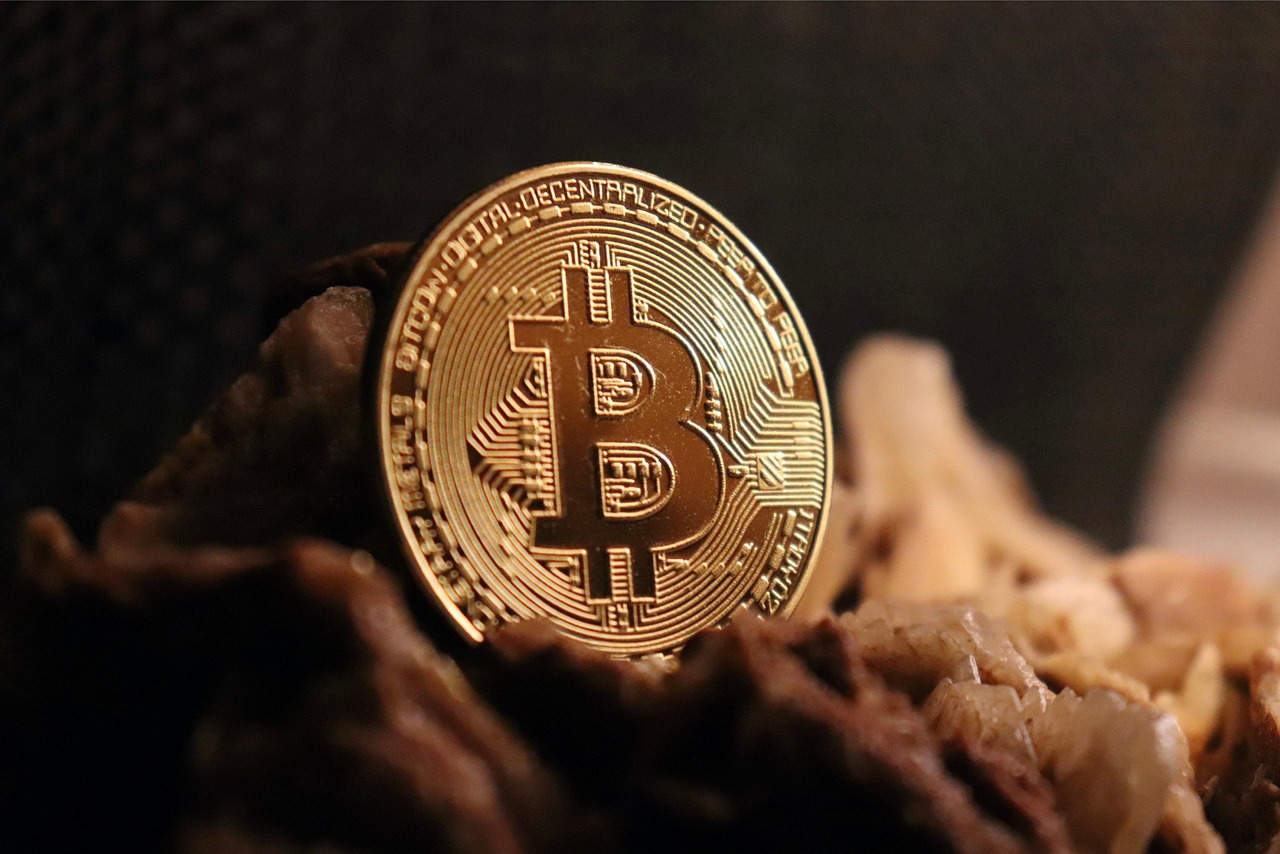
However, web wallets can be particularly vulnerable to phishing attacks, as users can inadvertently disclose their credentials to attackers. Strong security practices, such as two-factor authentication, are essential for mitigating these risks.
The trade-offs between different wallet types are significant. Hardware wallets are not optimal for users requiring frequent access due to their physical nature. Conversely, while software, mobile, and web wallets are user-friendly, they expose users to varying degrees of risk from cyber threats. It is essential to have a solid grasp of wallet security practices, especially when managing sizable investments.
Key Considerations
When selecting an Ethereum wallet, consider factors such as security, ease of use, and functionality. A few critical points include: Multiple choices available for managing cryptocurrency

1. Security Features: Strong encryption and backup options are essential for protecting assets.
2. User Experience: The interface should be intuitive, particularly for new users.
3. Community Trust: Wallet popularity and community feedback can provide insights into their reliability.
Overview of Features and Standards
The following table summarizes key features of different Ethereum wallet types:
| Wallet Type | Security Level | Usability |
|—————-|—————-|——————-|
| Hardware | Very High | Moderate |
| Software | High | High |
| Mobile | Moderate | Very High |
| Web | Low | Very High |
Step-by-Step Guide to Setting Up a Wallet
1. Choose Your Wallet Type: Select based on your needs.
2. Download or Purchase: Get the software or hardware wallet from trusted sources.
3. Follow Setup Instructions: Each wallet has specific setup procedures.
4. Create a Strong Backup: Write down your recovery phrase and store it securely.
5. Secure Your Wallet: Utilize password protection and two-factor authentication if available.
Final Thoughts
The landscape of Ethereum wallets continues to evolve, driven by user needs and technological advancements. Users should remain informed about updates and emerging security practices.
According to recent industry audits, over 70% of crypto theft incidents can be attributed to poor security practices, underscoring the importance of choosing the right wallet. As the adoption of Ethereum grows, so does the need for secure, user-friendly wallet solutions.
In conclusion, selecting a suitable Ethereum wallet requires careful consideration of individual needs and potential trade-offs. Security remains a paramount concern, particularly in an era where digital assets are increasingly targeted. Awareness of wallet capabilities will help users make informed decisions, ensuring their investments are protected over the long term.
Key Takeaways
- Top Ethereum wallets generally fall into two categories: custodial and non-custodial, with custodial wallets managing private keys on behalf of users and non-custodial wallets allowing users full control of their private keys.
- Security features vary widely among Ethereum wallets, with hardware wallets typically offering superior protection against hacking compared to software wallets.
- User experience and functionality can differ significantly between wallets, making it important for individuals to consider compatibility with decentralized applications and the unique features of each wallet.
What are the main types of wallets used for storing Ethereum?
The main types of wallets for storing Ethereum include hardware wallets, software wallets, and paper wallets. Hardware wallets are physical devices that store cryptocurrencies offline, providing strong security. Software wallets can be desktop, mobile, or web-based, offering easier access but potentially higher risk. Paper wallets involve printing out your keys and addresses on paper for offline storage.
How do users typically interact with Ethereum wallets?
Users interact with Ethereum wallets by sending, receiving, and managing their Ethereum tokens. To send cryptocurrency, users enter the recipient's address and the amount to be transferred. Most wallets also provide access to transaction history and allow for the management of tokens through interfaces that can include features like decentralized exchanges or staking.
What are some risks associated with using Ethereum wallets?
One significant risk is the potential for hacking, especially with software wallets connected to the internet. Additionally, if users lose access to their private keys or recovery phrases, they may permanently lose access to their funds. The rapidly evolving nature of the ecosystem can also expose users to scams or phishing attacks targeting wallet users.